

If you’re thinking about moving to Maple Valley WA, you’re not alone. Over the years, I’ve helped buyers relocate here from Seattle, Bellevue, Renton, Kent, Pierce County and throughout the Puget Sound region.
I’m also a Maple Valley resident, local real estate broker, parent and youth baseball coach, so I get to experience this community from more than just the real estate side.
Maple Valley offers something that’s becoming harder to find around the Seattle area: a smaller-community feel with access to schools, parks, lakes, youth sports and everyday amenities while still being within commuting distance of the region’s major employment centers.
But before you start looking at homes, there are a few things you should know.
1. Maple Valley Is About 30 Miles Southeast of Seattle
Maple Valley sits in southeast King County, roughly 30 miles southeast of Seattle.
That location is a big part of the appeal. You can live outside the denser Seattle and Eastside communities while still having access to Renton, Bellevue, Seattle and other employment centers.
The tradeoff is the commute.
Traffic can significantly change drive times, especially during weekday rush hours. If you’re commuting several days per week, I recommend testing the drive from a prospective neighborhood during the actual hours you’ll be traveling.
A neighborhood that looks perfect on a map can feel very different at 7:30 on a Monday morning.
2. Tahoma School District Is a Major Consideration for Many Buyers
One of the first questions I hear from families considering Maple Valley is about the schools.
Most of Maple Valley is associated with Tahoma School District, which currently operates six elementary schools, two middle schools and Tahoma High School.
One important detail for homebuyers: don’t assume a Maple Valley mailing address automatically determines which school your child will attend. School assignments depend on district boundaries and the specific property address.
If schools are an important part of your home search, verify the current school assignment directly with Tahoma School District before purchasing.
3. Youth Sports Are a Big Part of the Community
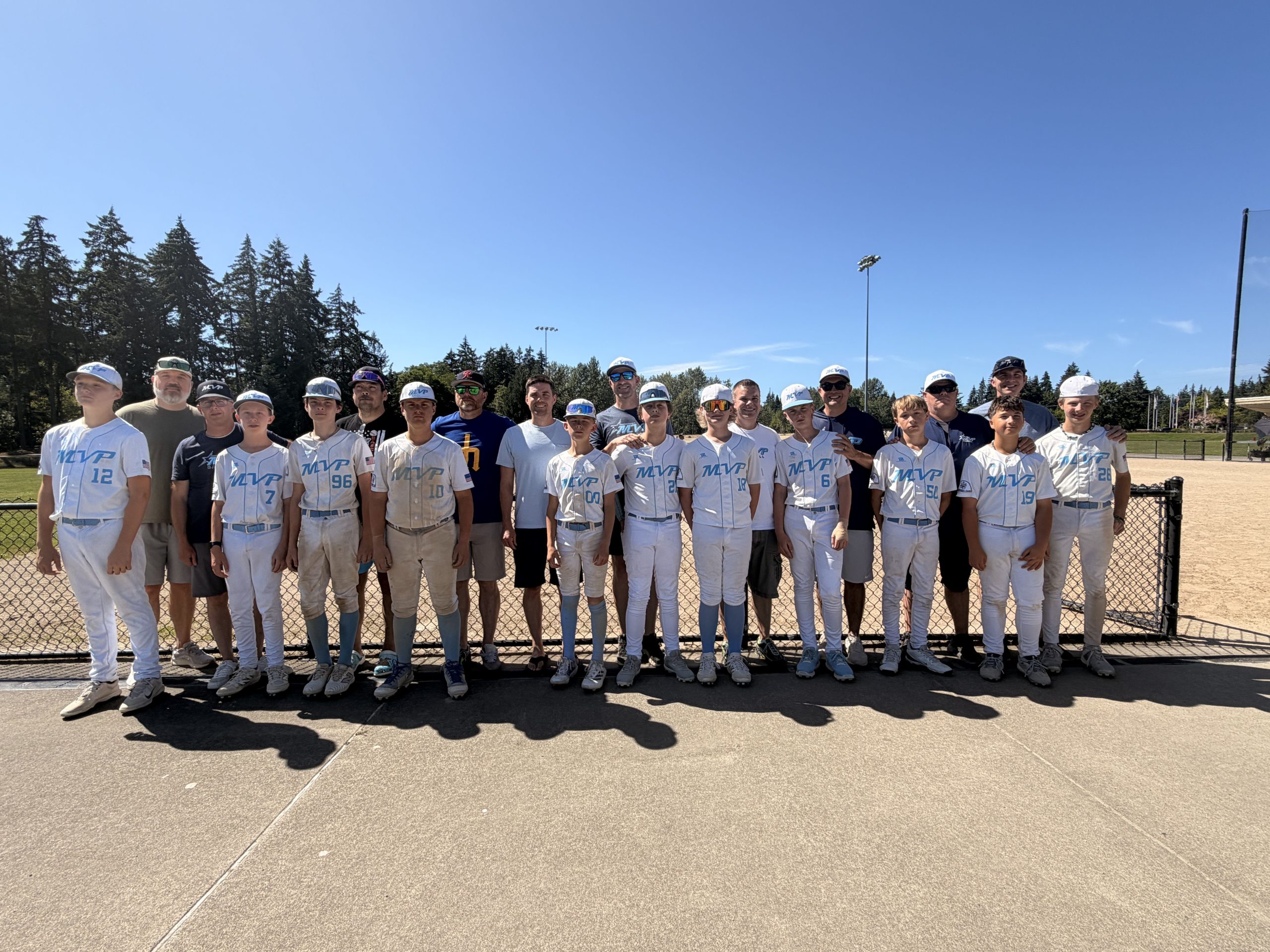
Youth Sports are a big part of life in Maple Valley. I'm fortunate to experience it firsthand as a local baseball coach for MVP and a parent.
If you have kids who play sports, you’ll quickly notice how active the youth sports community is here.
Football, basketball, baseball, softball, soccer and other programs give kids opportunities to start playing at a young age, and many local families stay involved in these programs for years.
As a local youth baseball coach and parent, this is one of the things I personally enjoy most about Maple Valley.
You don’t just get to know the kids on the team. You get to know parents, coaches, teachers and families throughout the community.
For families moving from another area, youth sports can be one of the quickest ways to feel connected to Maple Valley.
4. Lake Wilderness Is One of Maple Valley’s Centerpieces
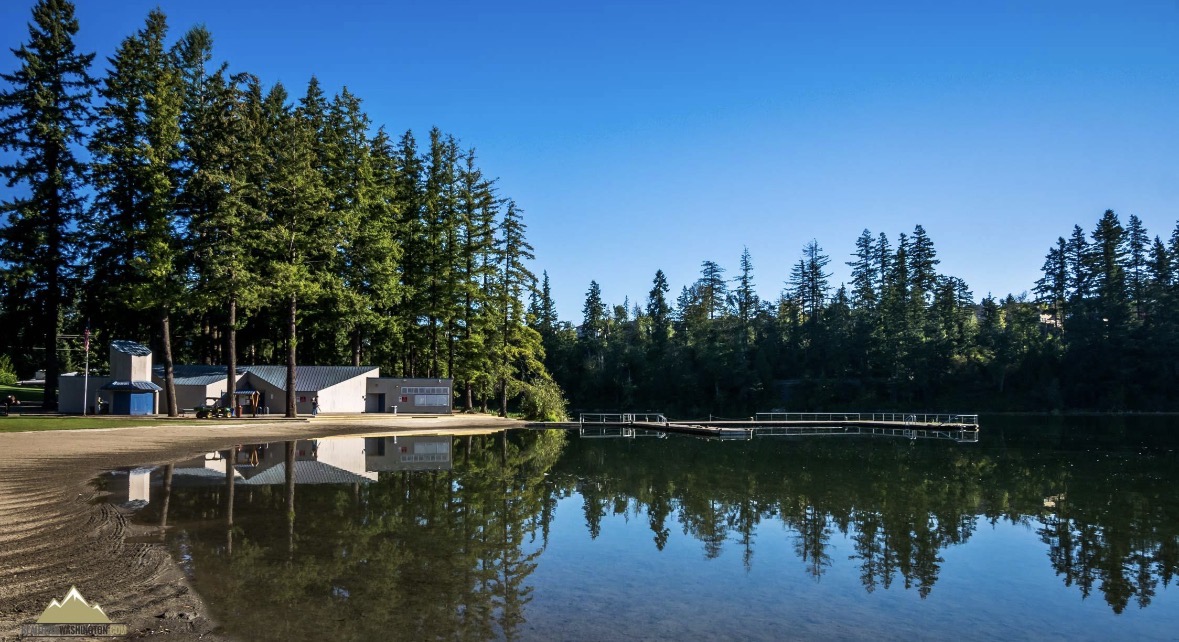
Photo: Steven Pavlov / Wikimedia Commons, CCBY-AS 4.0
Lake Wilderness is one of the places that gives Maple Valley its Pacific Northwest character.
The Lake Wilderness area offers access to the lake, trails, park space and community activities and is a popular gathering place throughout the year.
Outdoor recreation isn’t limited to the lake, either. Maple Valley and the surrounding area provide access to trails, parks, golf, fishing and the Cascade foothills.
If your ideal weekend involves being outside rather than driving into downtown Seattle, Maple Valley deserves a look.
5. Maple Valley Has Several Different Types of Neighborhoods
One mistake buyers sometimes make is thinking Maple Valley is one uniform suburban housing market.
It isn’t.
You’ll find established neighborhoods with mature landscaping, newer planned communities, acreage properties, homes near lakes and trails, and properties outside the city core that offer a more rural feel.
That’s why I usually recommend choosing the type of Maple Valley lifestyle you want before focusing exclusively on the house.
Do you want a neighborhood where kids can walk to friends’ houses?
Do you want a larger yard?
Do you want newer construction?
Would you rather have acreage and privacy?
Those answers can quickly narrow down where we should be looking.
6. Moving From the Eastside and Moving From Pierce County Can Feel Very Different
I often explain Maple Valley’s housing market differently depending on where a buyer is coming from. If you're considering moving to Maple Valley WA, I can show you the advantages.
Buyers moving south or southeast from areas such as Bellevue, Issaquah and other Eastside communities may find they can get more home or property for their budget in Maple Valley.
Someone moving north from parts of Pierce County may have the opposite experience because King County housing can command a higher price.
Neither is automatically better or worse. You’re comparing different locations, commute patterns, housing inventories, tax considerations and community amenities.
Understanding those differences before you start shopping can help you set a realistic budget.
7. Don’t Ignore Black Diamond
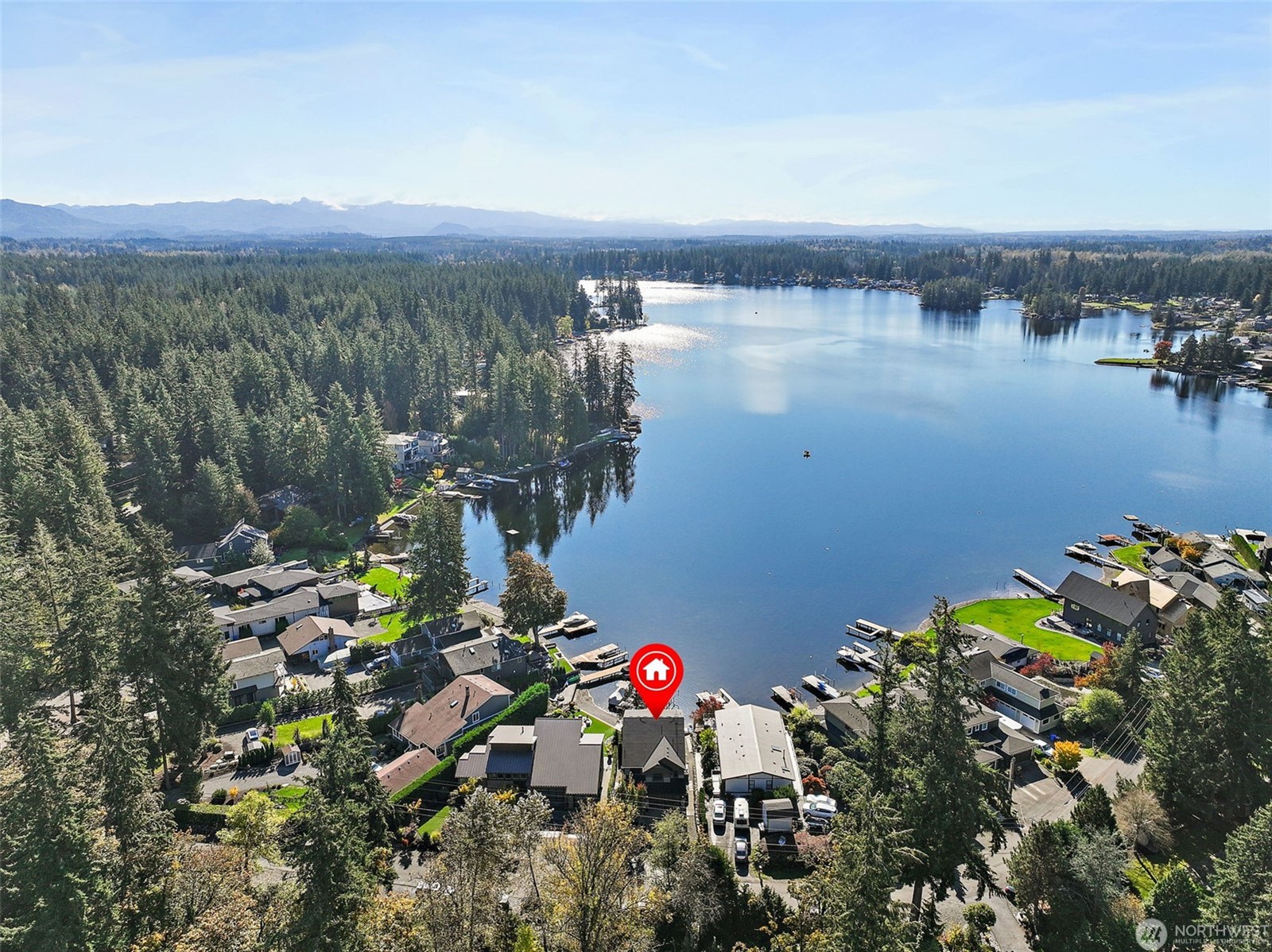
If you’re searching Maple Valley, I almost always recommend looking at nearby Black Diamond as well.
The two communities are close enough that buyers often consider both during the same home search, but the housing options and feel can be different.
Black Diamond has seen substantial residential development while still retaining areas with a more rural character. Black Diamond is home to Lake Sawyer, the fourth largest recreational lake in King County.
Depending on your priorities, expanding the search by just a few miles can open up additional options.
8. Your Commute Should Influence Which Part of Maple Valley You Choose
Not every Maple Valley location provides the same commute.
Access to SR 169, SR 18 and the surrounding road network can make a noticeable difference depending on whether you’re traveling toward Seattle, Bellevue, Renton, Kent or Tacoma.
This is another reason I don’t recommend choosing a neighborhood solely from online listings.
Before making an offer, drive the route.
Do it during rush hour.
If possible, do it more than once.
You’re buying the commute along with the house.
9. Maple Valley Still Has a Strong Community Feel
This is harder to measure on a spreadsheet, but it’s one of the reasons many people enjoy living here.
You start recognizing families at sporting events. You see people you know around town. Kids end up playing together on multiple teams. Parents volunteer. Local businesses sponsor community activities.
Maple Valley has grown considerably, but it can still feel like a community rather than simply another Seattle suburb.
For many people considering a move here, that’s an important part of the attraction.
10. Work With Someone Who Actually Knows the Area
Online real estate websites can show you bedrooms, bathrooms, square footage and asking prices.
What they can’t always tell you is why one Maple Valley neighborhood may fit your situation better than another one a mile away.
That’s where local knowledge matters.
I’ve spent years working in the Maple Valley real estate market and living in the community. I can help you compare neighborhoods, understand recent sales, evaluate new construction versus resale homes and identify nearby communities you may not have considered.
And if Maple Valley isn’t the right fit, I’ll tell you that too.
The goal isn’t simply to buy a house in Maple Valley.
It’s to find the right home and community for you.
Thinking About Moving to Maple Valley?
If you’re considering relocating to Maple Valley, Black Diamond, Enumclaw or another community in southeast King County, I’d be happy to help you get started.
You don’t need to be ready to buy tomorrow.
We can start with a conversation about your budget, commute, schools, preferred neighborhoods and what you’re hoping to find in your next home.
Tyler Freed
Windermere Real Estate
Maple Valley, Washington
Frequently Asked Questions About Moving to Maple Valley
Is Maple Valley close to Seattle?
Maple Valley is approximately 30 miles southeast of Seattle. Actual commute times vary considerably depending on traffic, time of day and your destination.
What school district serves Maple Valley?
Much of Maple Valley is served by Tahoma School District. Buyers should verify the assigned schools and district boundaries for an individual property directly with the school district.
Is Black Diamond close to Maple Valley?
Yes. Black Diamond borders the Maple Valley area and is commonly included in home searches for buyers considering southeast King County.
Are there newer homes in Maple Valley?
Yes. Maple Valley has a mix of newer construction and established neighborhoods. Nearby Black Diamond also offers newer residential development.
What should I consider before buying a home in Maple Valley?
Start with your commute, budget, desired school boundaries, preferred lot size, neighborhood style and how much proximity you want to parks, recreation and everyday services. Once those priorities are established, it’s much easier to narrow down the right areas.
